The Limits of Conventional Metrology
Interferometers are precise but fragile, defect inspection tools can flag issues but offer poor visualization and no slope or shape, and production systems sacrifice sensitivity for stability. No existing tool captures slope, shape, and defects in a single measurement.

What is a Structured Light Autocollimator (SLA)?
Structured Light Autocollimation (SLA) is a fundamentally new class of surface metrology. Rooted in the 100-year-old principle of autocollimation, SLA evolves this proven optical method into a fully digital, high-resolution measurement platform.
At its core, the autocollimator is a slope measurement system, that measures the average slope over an optic. The old systems were completely analog, with a simple reticle and eye for measuring the surface slope. See the below tool, the spot shifts as the mirror tilts. Also note if the source point is moved, the spot also shifts.
We make two key changes to a standard autocollimator layout: we replace the point source with an extended source, specifically a display, and a replace the reticle with an aperture stop, restricting the rays that enter the system to only chief rays.
In the below tool, we have the same perfect mirror from the previous tool, but we are using a display as the source. By changing the active pixel on the display, we can measure the slope of the mirror.
Instead of just sending a single pixel at a time, we can send a structured pattern (fringes) with our micro display. Using the same math as phase-shifting interferometers, we convert images of the reflected phase shifted pattern to phase, then directly to slope. Because of this unique layout, each pixel on the sensor measures an isolated x slope and y slope.
At its core, the autocollimator is a slope measurement system, that measures the average slope over an optic. The old systems were completely analog, with a simple reticle and eye for measuring the surface slope.
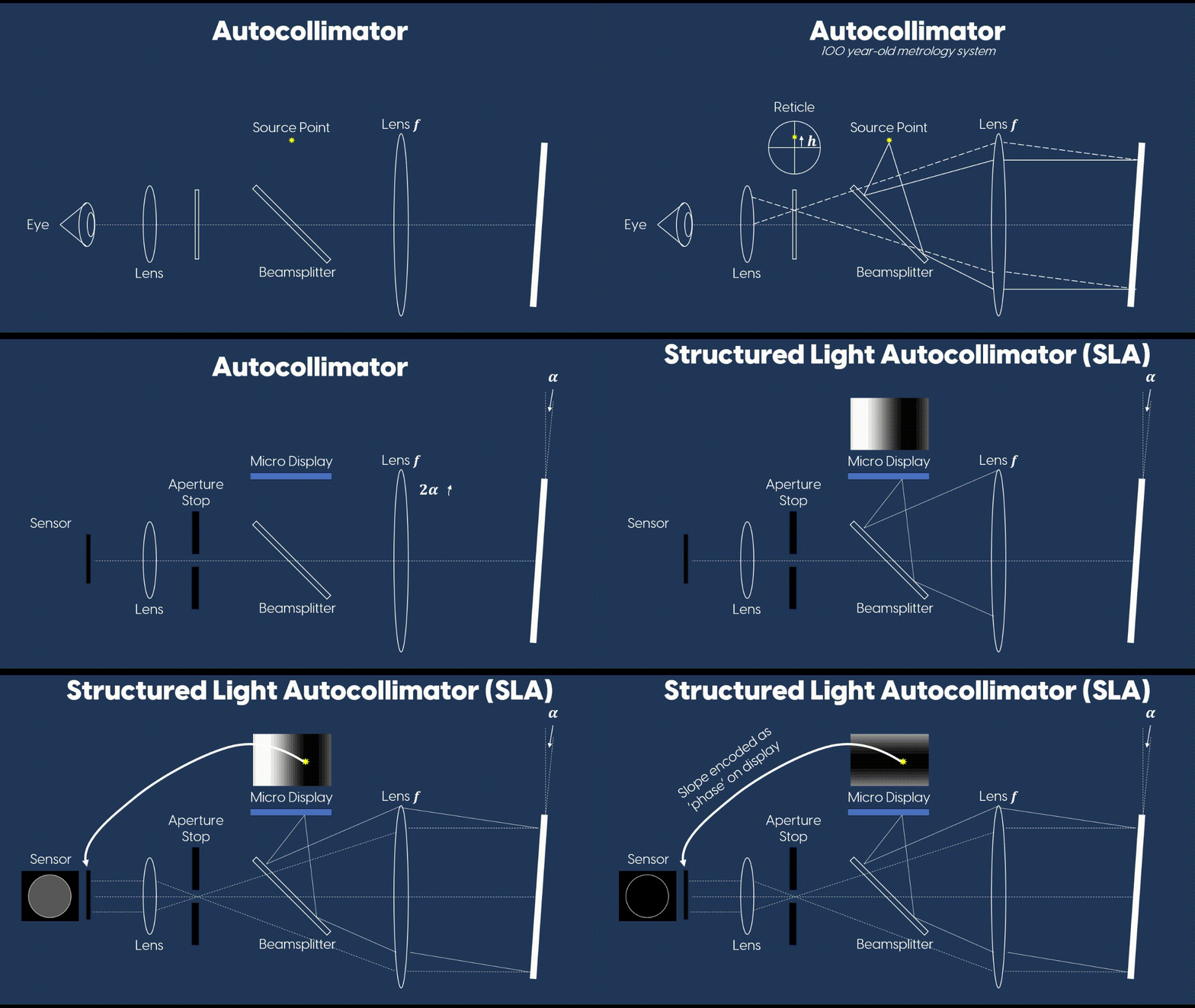
We make two key changes to a standard autocollimator layout: we replace the point source with an extended source, specifically a display, and a replace the reticle with an aperture stop, restricting the rays that enter the system to only chief rays.
By changing the active pixel on the display, we can measure the slope of the mirror. Instead of just sending a single pixel at a time, we can send a structured pattern (fringes) with our micro display. Using the same math as phase-shifting interferometers, we convert images of the reflected phase shifted pattern to phase, then directly to slope. Because of this unique layout, each pixel on the sensor measures an isolated x slope and y slope.
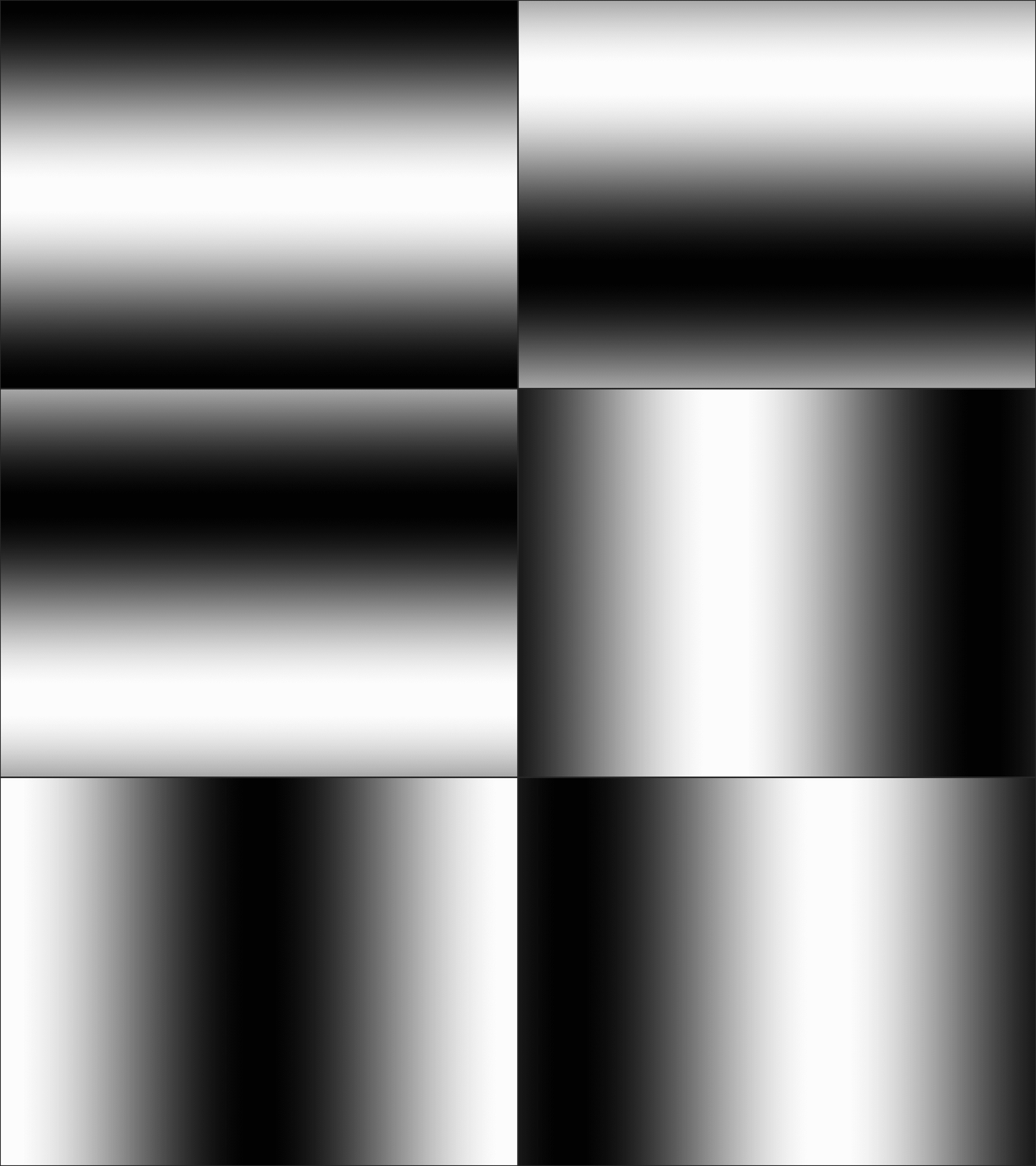
Pattern View
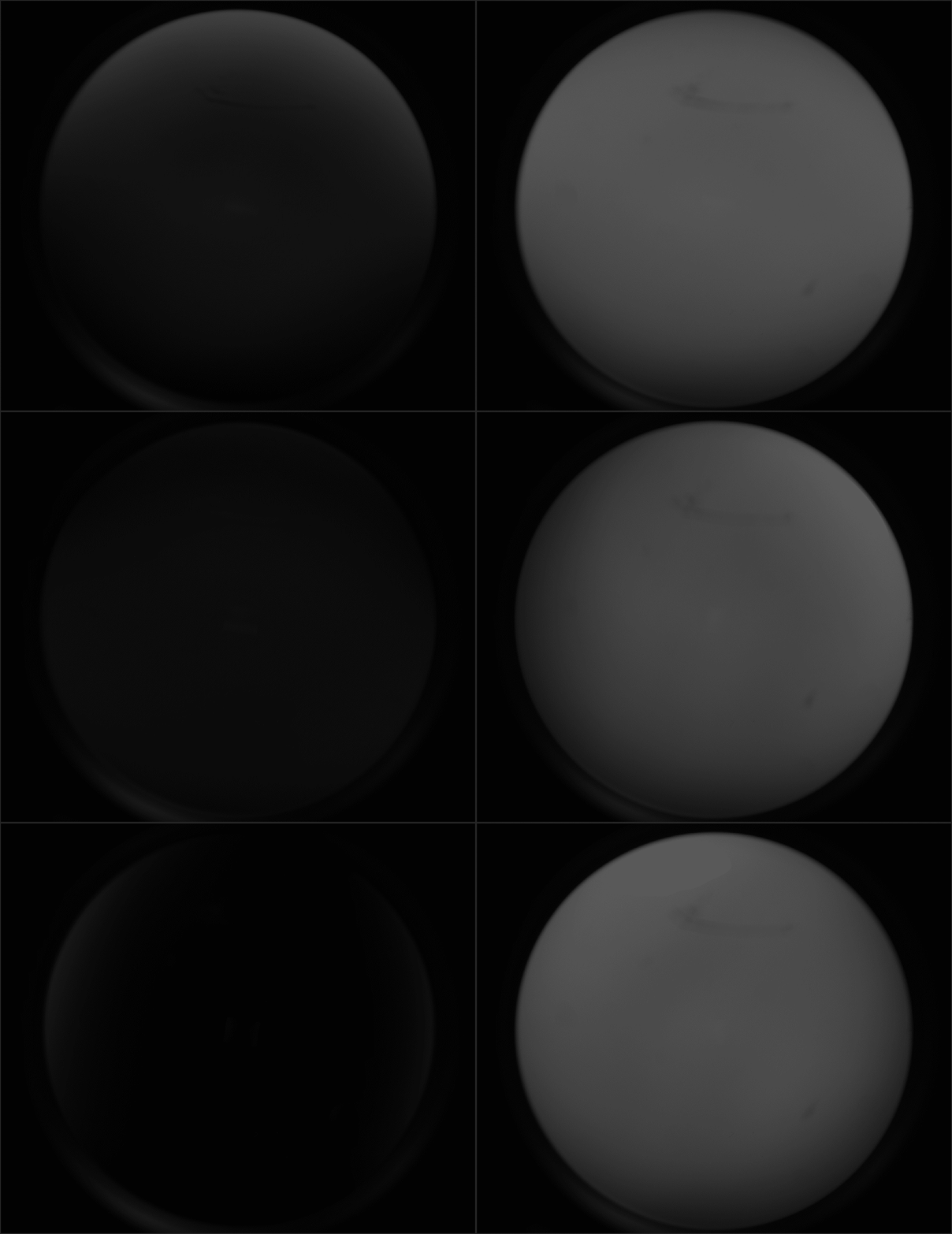
Camera View
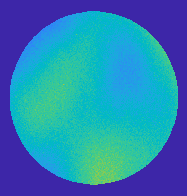
X Slope
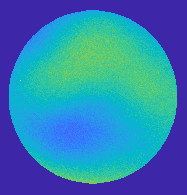
Y Slope
One Measurement, Full Understanding
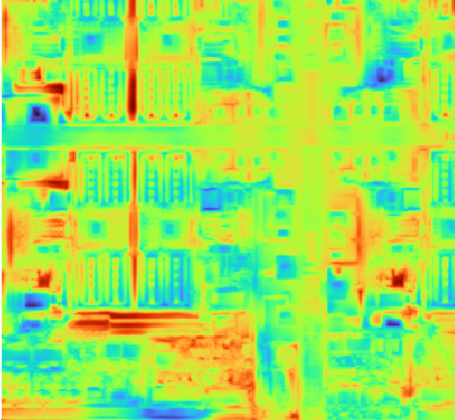
SLA captures slope, shape, and defects together in a single measurement — something no conventional tool has ever been able to do. It combines interferometric precision, robust acquisition, and intuitive surface visualization, delivering clear, actionable insight across subtle features and large-scale form in the same shot.
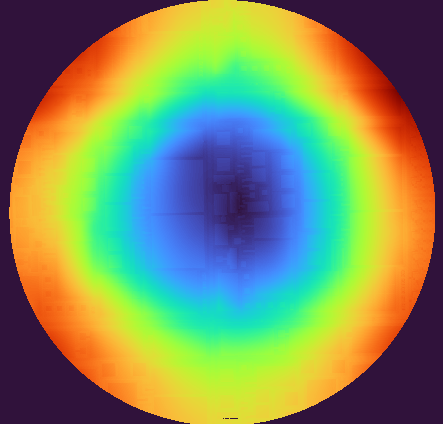
Raw Data
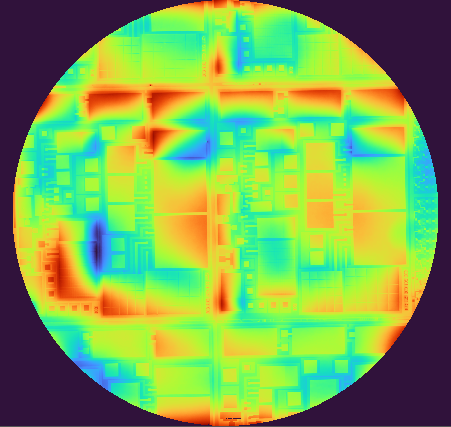
Best Fit
Zoom